What Does a Car Inspection Do?
One of the most common questions in the used car market is: "Do I really need an inspection?" The short answer is yes — but which type, and when, matters just as much.
What Is a Physical Inspection?
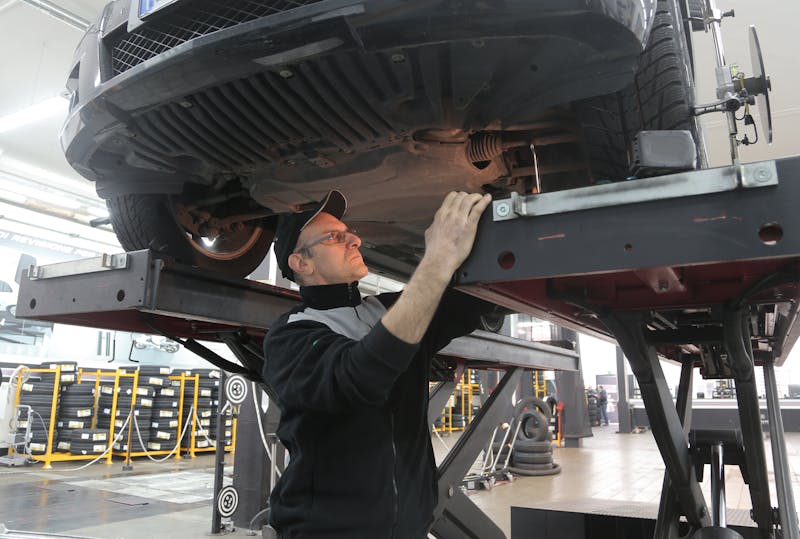
A physical inspection is carried out by a certified technician at a specialist centre. It typically covers bodywork measurements, paint thickness testing, underbody checks, and engine and transmission assessment.
Advantages: Detects hidden damage and replaced parts. The official report carries legal weight.
Disadvantages: It is a paid service, charged separately for every car you check. The vehicle must be taken to the centre, and results can take hours.
What Is a Digital Pre-Analysis?
A fast assessment based on make, model, year and mileage — before you ever see the car. That is exactly what CarExp does: it brings together market value, chronic issues, maintenance schedules and red flags within minutes.
Advantages: Fast, affordable and done before you visit. Gives you negotiating power.
Disadvantages: It cannot detect physical damage or replaced parts directly.
When to Use Each One
Step 1: The moment you see a listing, get your CarExp report. If it says AVOID, you've ruled that car out without ever taking it for a physical inspection.
Step 2: If the report is positive, go for the physical inspection — you already know what to focus on.
The Smart Approach
A physical inspection is valuable but costly, and it's repeated for every car you look at. Paying an inspection fee for each one just to filter dozens of listings is expensive and time-consuming. With CarExp you narrow the list first with a digital pre-analysis, then take only the genuinely promising cars for a physical inspection. And a CarExp report costs less than a cup of coffee.
Conclusion
Smart used car buying happens in two steps: digital analysis first, physical inspection second. CarExp is the first and most critical step.