How to Read a Used Car's Accident History
A car's accident history is among the facts that most affect its price and safety. Yet "no accidents, no paint" in a listing does not always match reality. The right approach is to read the official damage record, the car's physical condition and an inspection result together.
What Is a Tramer Record?
In Turkey, Tramer is the central system that holds damage records reported to insurers. A damage record can be queried through the web and SMS (5664) services listed on the official page of the Insurance Information and Monitoring Center (SBM); check the official SBM page (sbm.org.tr) for fees and conditions. According to sources, the traffic-policy and damage query on e-Devlet only covers vehicles registered in your own name, so it does not help for a car you are thinking of buying. The record usually shows past damage that reached insurance, repairs made and replaced parts. Query methods and conditions can change, so check the official pages or your insurer for current steps.
Damage Record vs Heavy-Damage (Total-Loss) Record
When repair cost exceeds a certain share of the vehicle's value, the record is entered as a heavy-damage (total-loss) record; cheaper repairs appear as an ordinary damage record. Sources quote different threshold figures, so we do not give a number here; check current regulations and your insurer for the exact rate and how it is applied. Cars with a heavy-damage record are generally priced lower, and insurance (especially comprehensive cover) can come with extra conditions.
The Record Does Not Show Everything
An important warning: such a record only contains damage reported to insurance. Damage repaired privately and never reported may not appear. "No record" does not mean the car was never damaged, so do not treat the record query as sufficient on its own.
What to Check by Eye and by Instrument
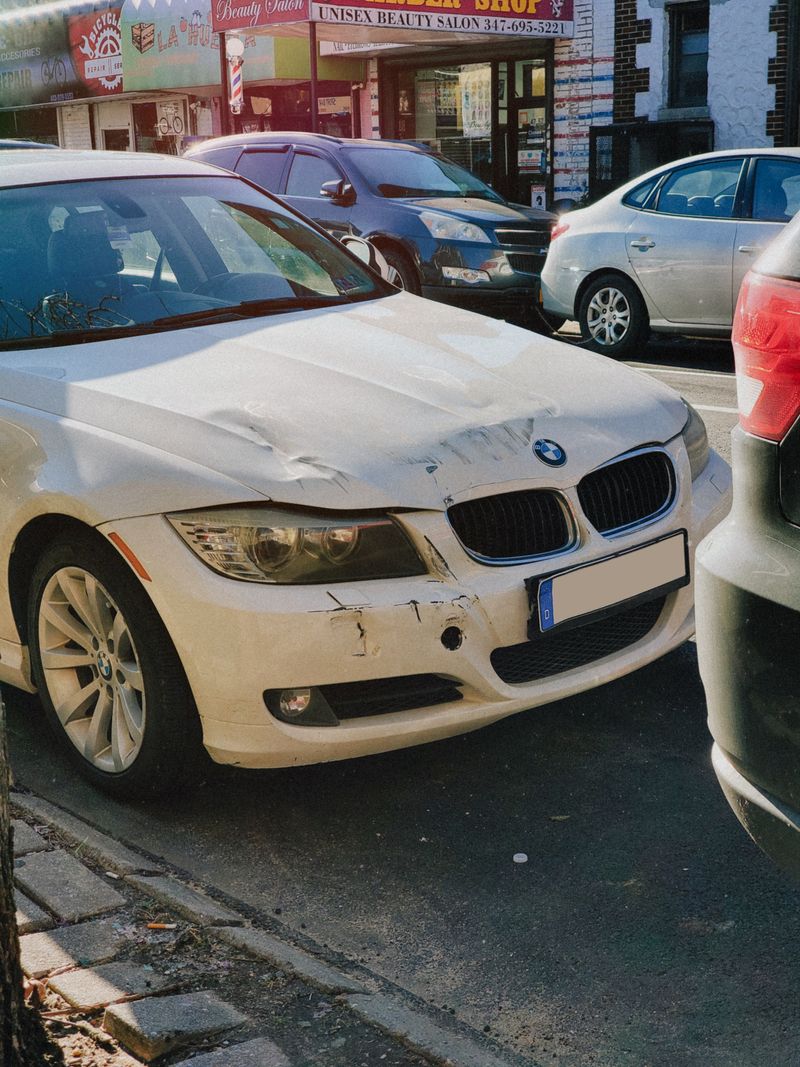
Panel gaps: Gaps around the bonnet, doors and wings should be even and symmetrical. A narrow gap on one side and a wide one on the other can indicate repair.
Paint tone and surface: Look along the panels in daylight. Colour differences, orange-peel texture or dust particles suggest repainting.
Paint thickness measurement: An inspection gauge measures paint thickness on each panel. Values clearly higher than on other panels point to paint or filler.
Bolt and seal marks: Broken paint on bolts of the bonnet, wings and door hinges suggests the part was removed or replaced. Overspray on door and boot rubbers is another clue.
Underbody and chassis: Bent chassis ends, weld marks or fresh protective paint can signal serious damage. The safest way to inspect this is on a lift.
Airbag and dashboard warnings: The airbag lamp should flash and go out at ignition; one that never lights, or stays on, needs checking.
Repainted, Replaced, Heavily Damaged: How It Affects Price
A local repaint is usually a minor factor; a replaced panel deserves closer inspection. A heavy-damage record has the strongest effect on price and on how easily you can resell. Compare the car with undamaged equivalents and use the gap in negotiation. Consider the repair cost of anything damaged, such as bodywork, suspension and airbags.
Conclusion
Read three sources together: the official damage record, your own observation and an independent inspection. What one misses, another catches. A CarExp report gives you a first filter with model-specific known risks and market price before you move on to damage and valuation checks.
#DamageRecord #Tramer #TotalLoss #UsedCar #CarInspection