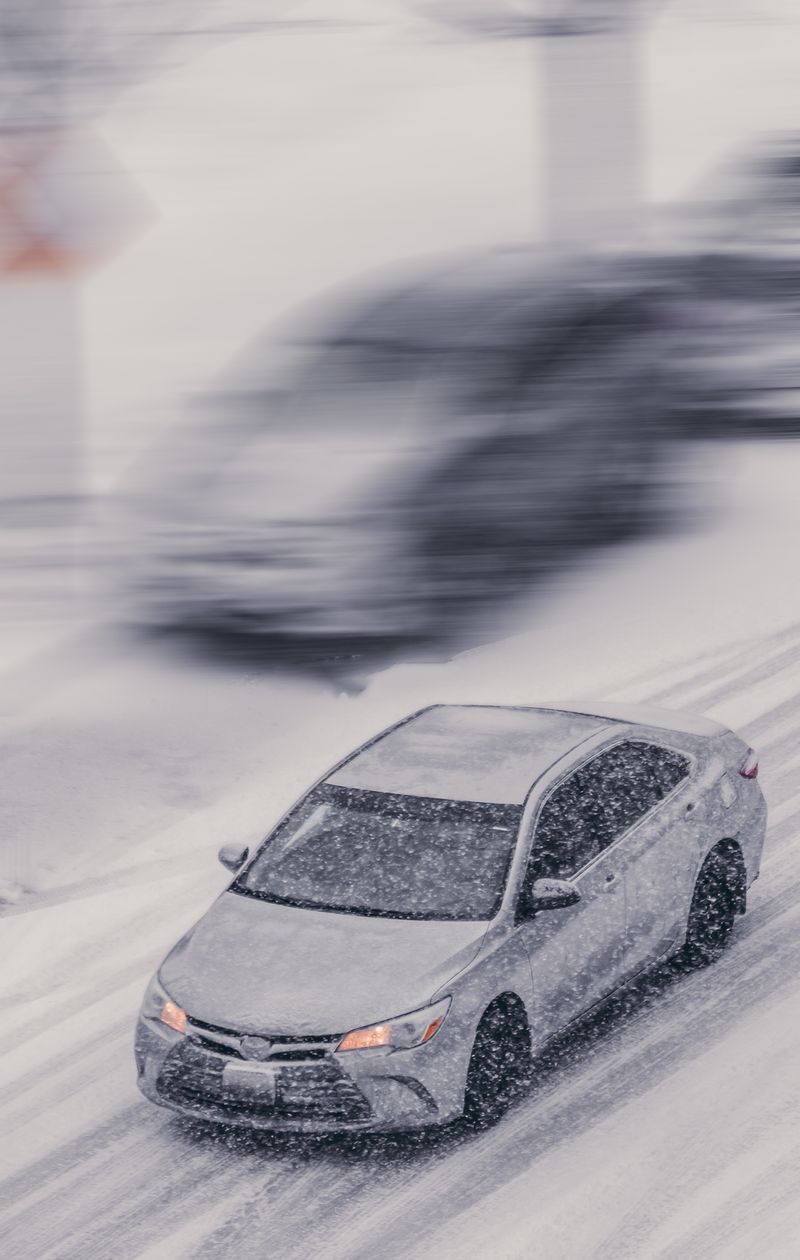
A Checklist for Buying a Used Car Before Winter
Autumn is a natural time for many people to change cars. Cold weather also shows a car's weak points far more clearly than summer: battery, cold starting, heating and tyres. Run through these eight points before you decide.
1. Have the Engine Started Cold
Ask the seller not to warm the engine beforehand. An engine that struggles, shakes or rattles in the first seconds may struggle even more in winter. Note any heavy smoke from the exhaust as well.
2. Question the Battery
Cold weather reduces battery capacity. Batteries generally last a few years; if you do not know when it was replaced, have it tested. If the starter turns reluctantly, suspect the battery first, then the charging system.
3. Tyre Condition and Type
Check tread depth, sidewall cracks and manufacture date (the DOT code on the tyre). Winter-tyre rules vary by vehicle type and country, and the applicable rule and period can change, so check the current regulation from official sources. Before the weather turns cold, assess the tyres' condition and whether you will need winter tyres. A car that comes with winter tyres has value in negotiation.
4. Coolant and Antifreeze
The level and colour of the fluid in the expansion tank hint at maintenance. A rusty colour or oily look can signal a serious problem. Find out what temperature the antifreeze protects to.
5. Heating, Ventilation and Demisting
The heater should blow hot, the fan should work on every setting and the demister should clear the glass. The rear-window heater grid should work across its full surface. On most cars the A/C compressor also helps demisting, so make sure it works before winter.
6. Wipers, Washer Fluid and Lights
Visibility drops in winter. Wiper blades, the washer pump and all lights should work, and the headlamp lenses should not be clouded. These are small costs, but factor them into the negotiation.
7. Brakes and Suspension
Braking performance is vital on slippery surfaces. On the test drive, check for pulling, shaking or noise under braking. Front-end noises can get louder in the cold, so note them.
8. Fuel-Type Specifics
Diesel: Cold starting depends on the health of the glow plugs and on fuel quality. A cold-start test matters most on these engines.
Electric: Cold weather reduces range. Treat the seller's range figure as possibly taken in mild weather, and ask for the SoH value to judge battery health.
Conclusion
Cold reveals a car's character; doing these checks before purchase keeps you from being stranded mid-winter. To see known risks specific to the engine and model in advance, use a CarExp report.
#WinterCare #UsedCar #WinterTyres #ColdStart #CarBuyingGuide