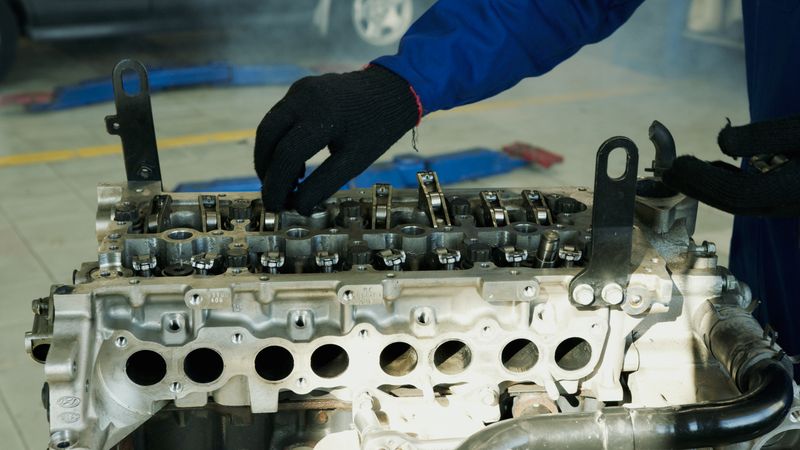
Timing Belt or Chain?
One of the most expensive surprises in a used car is a timing system that is due, or was never changed. The timing system keeps the crankshaft and camshafts in sync; if that sync is lost, the engine can be seriously damaged. So does your car have a belt or a chain? The answer usually comes from the engine, not the model name.
Three Different Systems
Dry timing belt: A toothed, rubber-based belt that must be replaced at a set mileage or age. The interval depends on the manufacturer and engine, so check the car's service schedule for the current figure.
Timing chain: A metal chain, usually lubricated by engine oil. Having no fixed replacement interval does not mean it lasts forever. On engines with neglected oil changes, the chain, tensioner and guides can wear over time.
Oil-bathed (wet) belt: The belt runs inside the engine oil. It is quiet and efficient, but wrong or late oil changes can speed up belt wear. The 1.2 PureTech family (in models such as the Peugeot 208) uses this design. The Chevrolet Onix 1.0 Turbo sold in Brazil also uses an oil-bathed belt and has been widely discussed there.
Same Model, Different System
The most common mistake is generalising: "this model has a chain." The Fiat Egea is a good example: the 1.4 Fire and 1.6 MultiJet engines use a timing belt, while the 1.6 E-Torq and 1.3 MultiJet use a chain. Same body, same name, completely different maintenance plans. Volvo's Drive-E engine family, by contrast, uses a belt across its petrol and diesel variants.
What to Do Before You Buy
1. Get the engine code and size. The registration document and the engine label tell you. "1.6" is not enough: petrol or diesel and power output all matter.
2. Ask for the belt change record. Do not trust "it was done last year" without an invoice, service record or work order. If there is no record, count the replacement as a cost in your negotiation.
3. Listen to a cold start on chain engines. Ask for the engine to be started cold, in front of you. A metallic rattle or chain noise in the first seconds can point to a worn tensioner or chain.
4. Check the oil service history. On chain and oil-bathed belt engines especially, regular oil changes with the right specification directly affect how long the timing system lasts.
5. Ask about the water pump and tensioner. On belt systems these parts are normally replaced together with the belt. A record showing only the belt may be incomplete.
Conclusion
The timing system is invisible, yet it is one of the items that affects your maintenance budget the most. The right engine code, a proper service record and a cold-start listen protect you from an expensive surprise. A CarExp report shows the timing type and known risks by make, model and engine as part of your pre-assessment.
#TimingBelt #TimingChain #UsedCar #EngineMaintenance #CarBuyingGuide